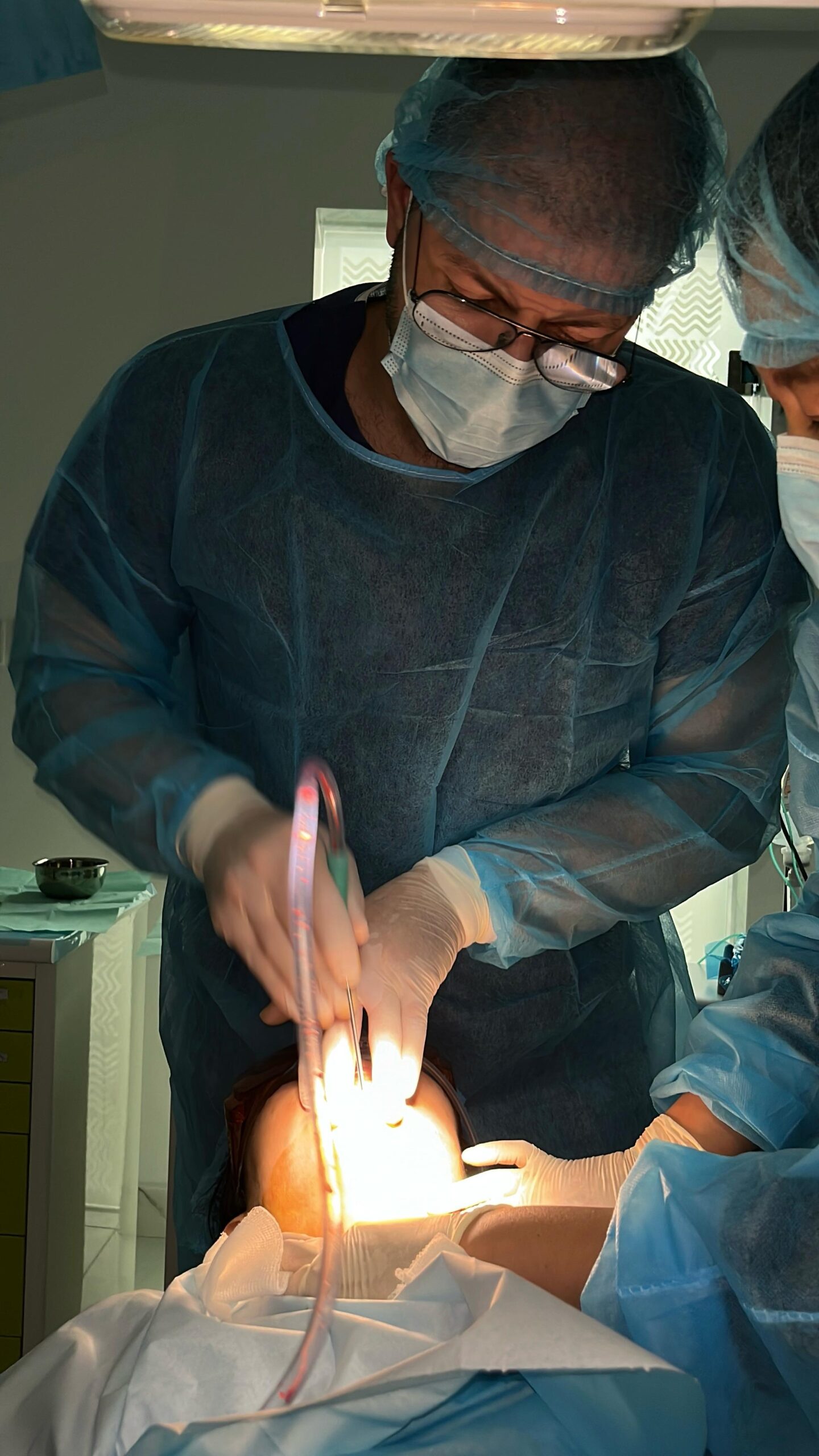
This clinical-practice study by Petr Schütz and Mahmoud Ahmed Anous reviewed every patient hospitalized for an odontogenic maxillofacial space infection at Al-Farwaniya Hospital between May 2013 and May 2020.
What the study examined
The authors reviewed the causes of infection, anatomical spaces involved, bacterial findings, initial antibiotic treatment, surgical intervention and factors associated with length of stay. Ninety-five patients with acute odontogenic infection were included: 63 men and 32 women, ranging from 4 to 71 years old.
Key clinical findings
- The submandibular space was the most frequently affected anatomical space.
- Lower molar teeth were the most common source, accounting for 72 causative teeth.
- In 85 patients the causative tooth was still present when the patient was admitted.
- Seventy-four patients required an extraoral incision and 10 underwent intraoral incision.
- Hospital stay ranged from 1 to 19 days, with a mean of 4.5 days.
Why early dental treatment matters
The study concluded that many hospital admissions for odontogenic infection could potentially be prevented through timely, competent outpatient treatment, including removal of the causative tooth when indicated. Dental swelling accompanied by difficulty swallowing or breathing, spreading facial or neck swelling, fever or rapid deterioration requires urgent professional assessment.