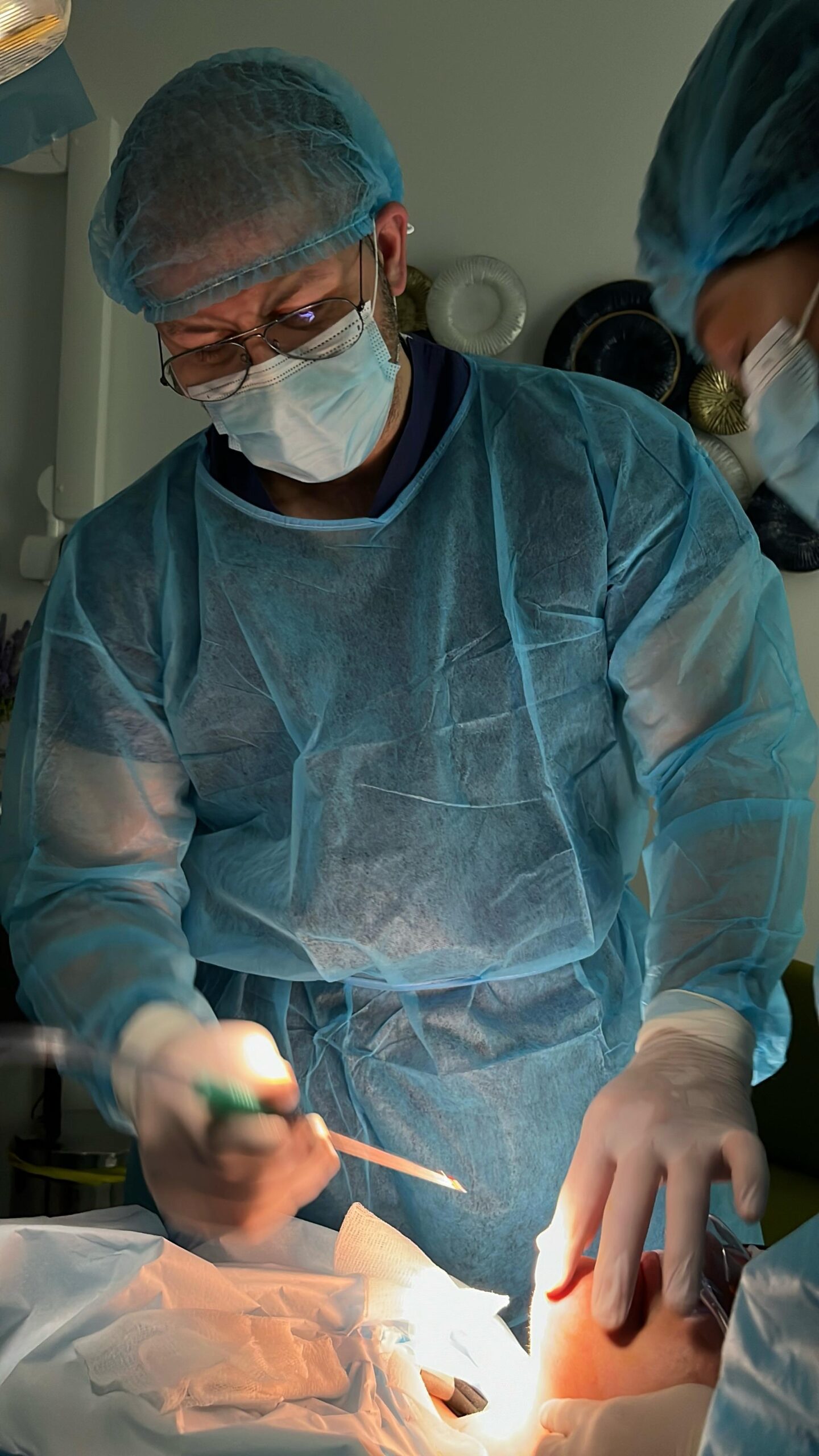
Published in Surgery Case Reports: Advances and Techniques in 2024, this case report by Mahmoud Anous and colleagues describes severe sino-nasal mucormycosis in a 57-year-old woman with insulin-dependent diabetes and diabetic ketoacidosis.
Presentation and diagnosis
The patient presented with severe headache, right-sided nasal congestion and discharge, altered sensation on the right side of the face and palatal changes. Clinical examination, imaging and histopathology established mucormycosis involving the right maxillary, ethmoid, sphenoid and frontal sinuses, with suspected extension toward the infratemporal region and hard palate.
Multidisciplinary management
Management combined antifungal medication, restoration of glycaemic control and repeated surgical care. The reported treatment included functional endoscopic sinus surgery, debridement, right subtotal hemi-maxillectomy, tracheostomy and later clearance of residual sinus disease. Oral and maxillofacial surgery, otorhinolaryngology and medical teams contributed to assessment, treatment and follow-up. A palatal obturator was provided to support speech and function.
Outcome and clinical lesson
At follow-up after the later procedure, the patient was asymptomatic, the nasal and oral mucosa appeared healthy, speech had improved with the obturator and glycaemic control was maintained. The authors emphasized that successful care depends on early suspicion, prompt medical and surgical treatment, control of the underlying systemic condition and investigation of psychological factors that may affect adherence.