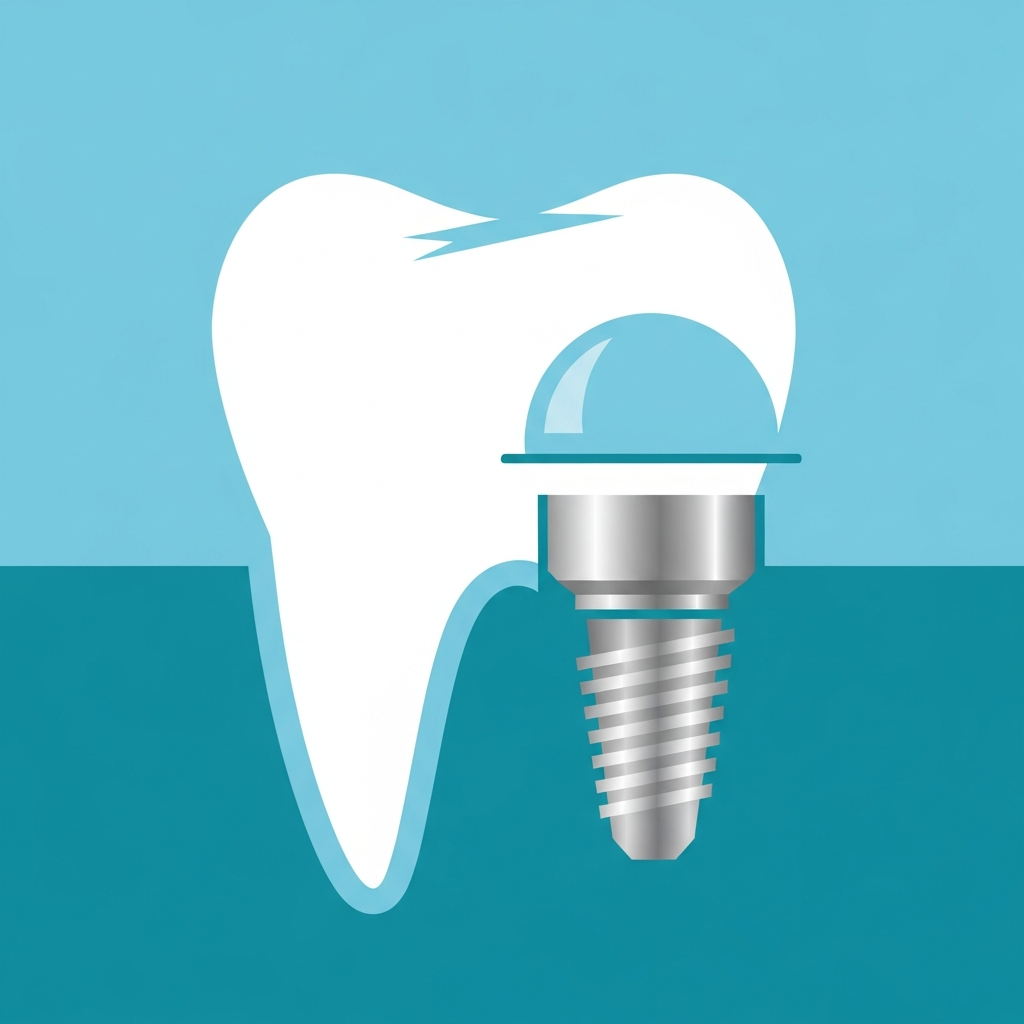
A dental implant is a component of a wider restorative plan—not a complete treatment by itself. Good planning starts by defining the tooth or teeth to be replaced, the required function and the intended final restoration.
Health and risk assessment
Medical history, medicines, allergies, smoking or nicotine use, previous head-and-neck radiotherapy, diabetes control and earlier implant or grafting procedures can affect planning and healing. The condition of the remaining teeth and gums also matters because active infection or uncontrolled periodontal disease can compromise the result.
Bone, soft tissue and three-dimensional position
Clinical examination and appropriate imaging help assess available bone, important anatomical structures and the space required for the restoration. Implant position must work prosthetically as well as surgically. In some situations, bone or soft-tissue grafting, sinus augmentation or an alternative restorative design may be considered.
The treatment sequence
The sequence may include removal of a failing tooth, management of infection, grafting, implant placement, healing and connection of the final restoration. Some steps can occasionally be combined; in other cases, staged treatment is safer or more predictable. “Immediate” treatment is not automatically the best option for every site.
Alternatives and maintenance
Reasonable alternatives may include a tooth-supported bridge, removable prosthesis, preservation of an existing tooth or no treatment. Patients should understand costs, treatment time, maintenance and possible complications for each option. Implants require long-term professional review and meticulous daily cleaning around the implant restoration.
Questions for consultation
- What is the planned final restoration?
- Is grafting necessary, and what alternatives exist?
- Which patient-specific factors affect healing or longevity?
- What maintenance schedule will be required?