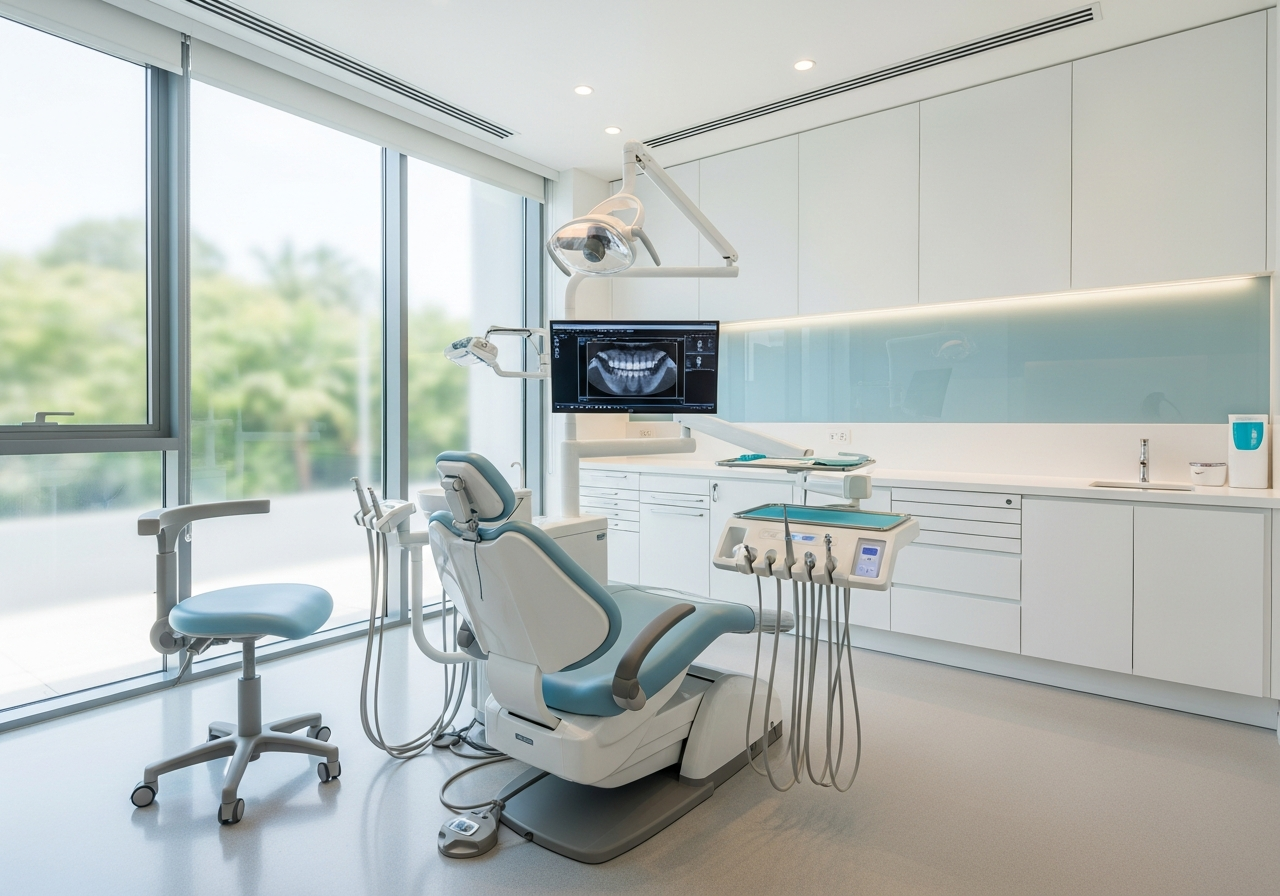
A specialist consultation is a structured clinical conversation: what is happening, how it affects you, what the examination shows and which options are reasonable. A little preparation helps the appointment focus on the decisions that matter.
Bring the clinical story
Write down when the concern began, how it has changed and what makes it better or worse. Include pain, swelling, altered sensation, changes in bite or mouth opening, previous infections, earlier treatment and any effect on eating, speaking, breathing or sleep.
Bring the right records
- Relevant X-rays, scans, reports or referral letters.
- A current medication list, including supplements.
- Known allergies and previous reactions to medicines or anaesthesia.
- A concise medical and surgical history.
- Details of earlier dental, orthodontic or facial treatment.
If images are stored digitally, ask the referring clinic how they can be transferred before the appointment. A screenshot may not contain the full diagnostic information available in the original scan.
What happens during assessment
The consultation may include facial and oral examination, bite and jaw-movement assessment and review of existing imaging. Additional imaging is requested only when it is clinically useful. The aim is to establish a working diagnosis, understand the alternatives and decide whether further investigation or multidisciplinary input is needed.
Questions worth asking
- What is the diagnosis, and what remains uncertain?
- What happens if I do nothing for now?
- Which options are appropriate, and why?
- What are the material risks, limitations and expected recovery?
- Who will be involved in my care and follow-up?
Take notes or bring a trusted person if that helps you process complex information. You should leave understanding the next step—not feeling pressured into a decision.