Mucormycosis is a rare but severe fungal infection that primarily affects people with significantly impaired host defences. Uncontrolled diabetes—particularly diabetic ketoacidosis—is an important risk factor.
The reported presentation
In the 2024 case report, a 57-year-old woman with insulin-dependent diabetes presented with severe headache, nasal congestion and discharge, right-sided facial altered sensation and palatal changes. Investigations confirmed mucormycosis involving several right-sided paranasal sinuses, with extension toward deeper facial structures and the hard palate.
Why diagnosis can be difficult
Early symptoms can overlap with more common sinus and dental conditions. Diagnosis required correlation of clinical findings, imaging and histopathology. The case reinforces the need for a high index of suspicion when compatible symptoms occur in a patient with major risk factors.
Treatment required several disciplines
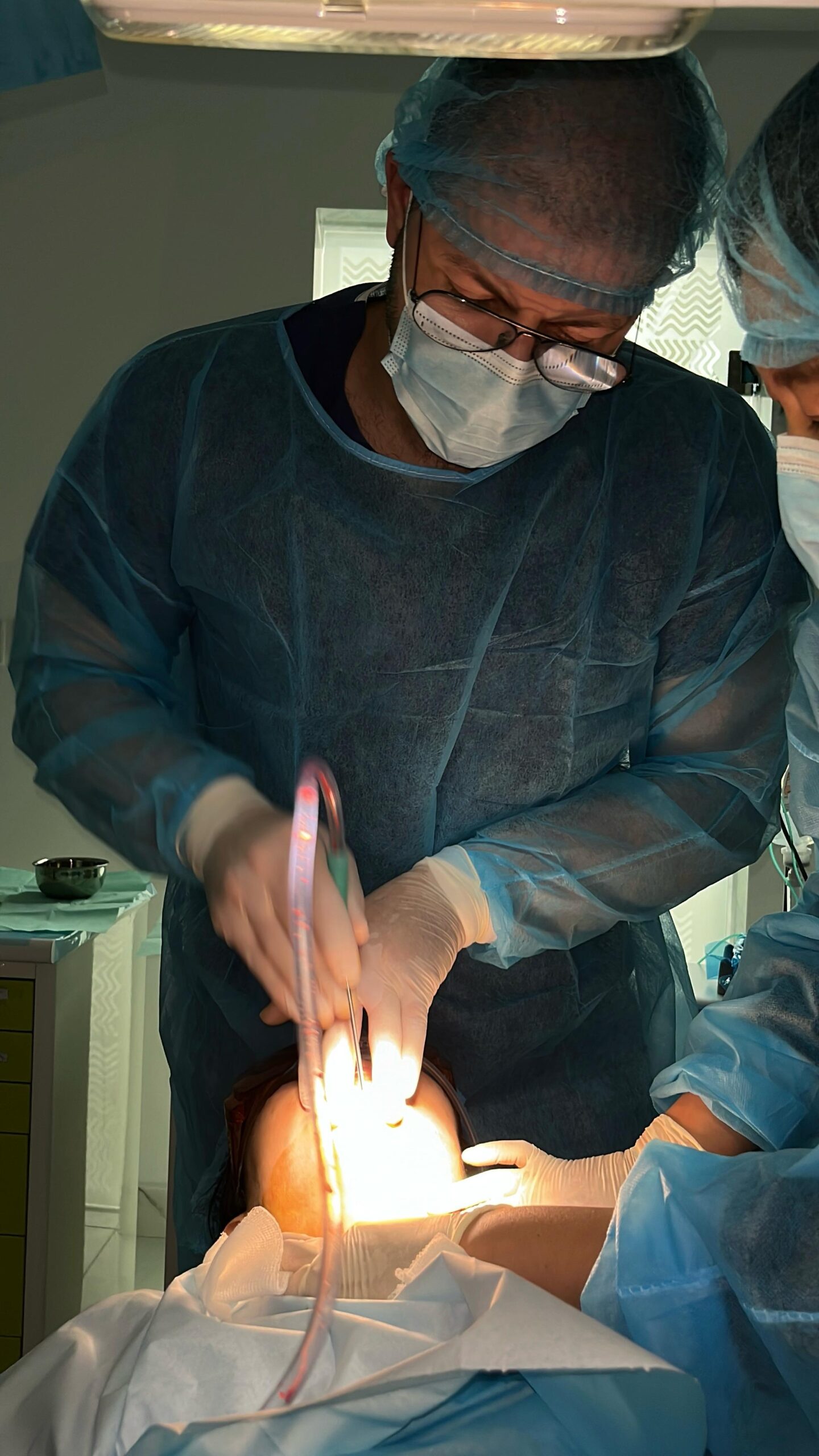
Care combined antifungal therapy, restoration of glycaemic control and extensive surgical treatment, including sinus surgery and maxillary debridement. Oral and maxillofacial surgery, otorhinolaryngology and medical teams were involved. A palatal obturator later supported speech and oral function.
Physical and psychological health are connected
The paper also examined why insulin therapy had been discontinued. The authors argued that mental-health assessment and support should be considered when psychological distress contributes to medication non-adherence and poor systemic-disease control.
Do not self-diagnose
Mucormycosis is uncommon, and symptoms alone cannot establish the diagnosis. People with diabetes or immunosuppression who develop severe or progressive facial pain, nasal symptoms, black or blood-stained discharge, visual symptoms or tissue discoloration require urgent medical assessment.
Read the peer-reviewed case report CDC mucormycosis information